 پارس پروژه پرتال خدمات دانشگاهی
مشخصات مقاله فهرست مطالب نمونه ترجمه مقاله انگلیسی خرید ترجمه مقالات مرتبط سفارش پروپوزال
سلام دوست من ، توی این پست براتون یه مقاله ترجمه شده جدید با موضوع نوآوری باز پیشرو: نقش رهبری استراتژیک کارآفرینانه در هماهنگ سازی خلق و کسب ارزش در انجمن های متن باز GitHub، منتشر کردیم. این مقاله یه مقاله ISI و علمی پژوهشی هست که توی پایگاه الزویر در سال 2023 منتشر شده. فایل انگلیسی شامل 12 صفحه PDF و فایل ترجمه 37 صفحه WORD و قابل ویرایشه، مثل همیشه مقاله انگلیسی رو می تونید رایگان دانلود کنید. بخش هایی از ترجمه هم براتون رایگان گذاشتم که قبل از خرید ، کیفیت ترجمه رو بررسی کنید. از کیفیت ترجمه هم نگم براتون که مثل همیشه عالییییه. برای خرید ترجمه کامل مقاله روی گزینه خرید و دانلود آنی ترجمه کلیک کنید بعد از پرداخت لینک دانلود بهتون نشون داده میشه، به ایمیلتونم ارسال میشه. اگر سوالی بود می تونید زیر این پست کامنت بزارید سریع جوابتونو میدم.
نوآوری باز پیشرو: نقش رهبری استراتژیک کارآفرینانه در هماهنگ سازی خلق و کسب ارزش در انجمن های متن باز GitHub
عنوان انگلیسی:
Leading open innovation: The role of strategic entrepreneurial leadership in orchestration of value creation and capture in GitHub open source communities
کد محصول: M1489
سال نشر: 2023
نام ناشر (پایگاه داده): الزویر
نام مجله: Technovation
نوع مقاله: علمی پژوهشی (Research articles)
فرضیه: دارد
متغیر: دارد
مدل مفهومی: دارد
پرسشنامه: ندارد
تعداد صفحه انگلیسی: 12 صفحه PDF
تعداد صفحه ترجمه فارسی: 37 صفحه WORD
قیمت فایل ترجمه شده: 79000 تومان
برای دانلود رایگان مقاله انگلیسی بر روی دکمه ذیل کلیک نمایید

وضعیت ترجمه: این مقاله به صورت کامل ترجمه شده برای خرید ترجمه کامل مقاله بر روی دکمه ذیل کلیک نمایید (لینک دانلود بلافاصله بعد از خرید نمایش داده می شود)

مقالات مرتبط با این موضوع: برای مشاهده سایر مقالات مرتبط با این موضوع (با ترجمه و بدون ترجمه) بر روی دکمه ذیل کلیک نمایید

فهرست مطالب
1.مقدمه
2. پس زمینۀ پژوهشی و مرور متن
2 – 1 رهبری و نوآوری باز
2 – 2 محیط OI و رهبری کارآفرینی
2 – 3 OI و رویکردهای کارآفرینی
3. چارچوب یکپارچۀ رهبری در OI
3 – 1 رهبری برای ارزش آفرینی در OI
3 – 2 رهبری جذب ارزش در OI
4. جمع بندی
چکیده
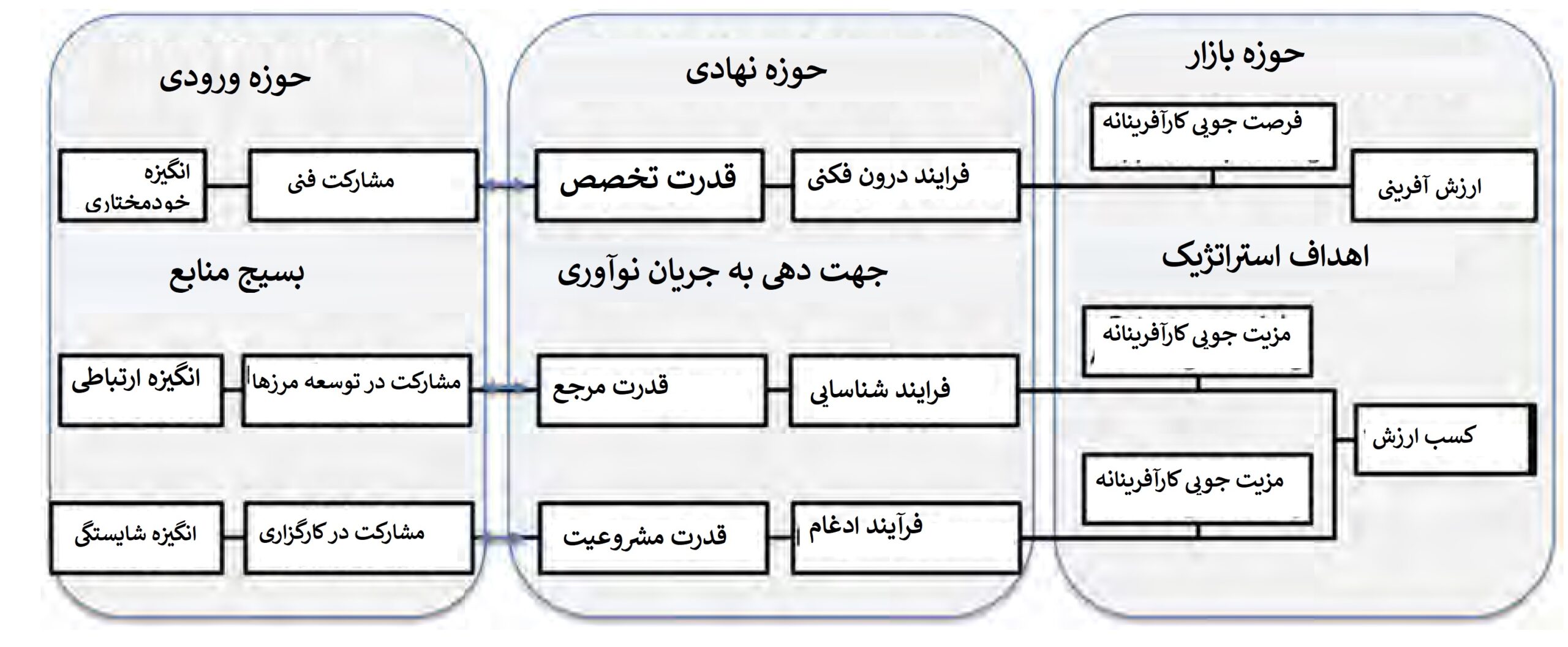
این مطالعه نقش رهبری کارآفرینانه را در هماهنگ سازی حوزههای منابع در راستای خلق و کسب ارزش موثر در نوآوری باز (OI) بررسی میکند. بدین منظور این مطالعه چارچوب سهگانهای را پیشنهاد میکند که ابتدا نقش رهبران OI را در ایجاد محیطی که از محرکهای انگیزشی متنوع اعضای شبکه در حوزه ورودی پشتیبانی میکند، بررسی میکند. دوم، تأثیر ایجاد جنبههای قدرت توسط رهبران OI نوظهور را بر تنظیم جهت غالب جریان نوآوری در حوزه نهادی توضیح میدهد. سوم، تأثیر مشارکت های کارآفرینانه رهبران OI ( فعالیت های فرصت جویی و مزیت جویی ) را در همسویی استراتژی های دانش آفرینی و درآمدزایی از طریق تقاضاها و پویایی های غالب در حوزه بازار بررسی می کند. مدل پیشنهادی با استفاده از نمونه هایی از انجمن های متن باز در GitHub مورد بحث قرار می گیرد. این مطالعه به ادبیات مربوط به نوآوری باز و رهبری کارآفرینانه کمک می کند. این مطالعه با برجسته کردن اهمیت مشارکتهای کارآفرینانه رهبران OI، تحقیقات در مورد نوآوری باز را فراتر از تحقیقات متداول بر مشارکتهای اجتماعی و فنی رهبران گسترش میدهد. این مطالعه با بررسی ساختار رهبری کارآفرینانه از دیدگاه OI، بینش هایی را در مورد پیچیدگی های توسعه و درآمدزایی از نوآوری در محیط های مشارکتی جدید که از رویکرد اختصاصی سازمانی متداول در این ادبیات منحرف شده است، ارائه می دهد.
کلیدواژه ها: نوآوری باز، نظریه خودمختاری ، ارزش آفرینی، جذب ارزش، رهبری کارآفرینانه
Abstract This study investigates the role of entrepreneurial leadership in the orchestration of resource domains towards effective value creation and capture in open innovation (OI). To do so, it proposes a threefold framework that, first it explores the role of OI leaders in cultivating an environment that supports diverse motivational drivers of network members in the input domain. Second, it explains the impact of establishing facets of power by emergent OI leaders on setting the direction of a dominant flow of innovation in the institutional domain. Third, it postulates the impact of entrepreneurial contributions of OI leaders — opportunity-seeking and advantage-seeking activities — in aligning knowledge-asset creation and monetization strategies with the dominant demands and dynamics in the market domain. The proposed model is discussed by drawing on instances from open source communities hosted on GitHub. This study makes contributions to literature on open innovation and entrepreneurial leadership. By highlighting the importance of entrepreneurial contributions of OI leaders, it expands the research on open innovation beyond the traditional focus on leaders’ social and technical contributions. By examining the construct of entrepreneurial leadership from the OI perspective, this study offers insights into the complexities of developing and monetizing innovation in novel collaborative environments, which deviates from the organizational proprietary approach dominant in this literature.
Keywords: Open innovation, Self-determination theory, Value creation, Value capture, Entrepreneurial leadership
1.مقدمه
عصر اطلاعات شاهد رواج رویکردهای جدید برای خلق و کسب ارزش از نوآوری است که فراتر از مرزهای سازمانی می باشد. این رویکردها با اشاعه فناوریهای اطلاعاتی که مشارکت های درون سازمانی را در اقتصاد دانش بنیان تسهیل میکنند، تقویت میشوند (وست و بوگرز، 2014؛ وست و همکاران، 2014؛ گاسمن و همکاران، 2010). این تغییر منجر به محبوبیت فزاینده انواع جدید شبکهها و اکوسیستمهای نوآوری مانند انجمن های متن باز، پلتفرمهای نوآوری جمعسپاری و بازارهای مجازی برای ایدهها شده است (چزبرو، 2004؛ یو و همکاران، 2012؛ برکینشاو و همکاران، 2008; ناتالیکیو و همکاران، 2014). بیماری همهگیر جهانی این تغییر را تشدید کرد، زیرا در غیاب تعاملات چهره به چهره، رویکردهایی مانند متن باز به یک ابزار اجتماعی ،یادگیری و همآفرینی برجسته تبدیل شدند. به عنوان مثال، ایجاد پروژه متن باز در GitHub، محبوب ترین سرویس برنامه نویسی اجتماعی و میزبانی پروژه، در سال 2020 چهل درصد افزایش یافت (فورسگرن، 2020)…
1.Introduction The information age has witnessed the prevalence of novel approaches to creating and capturing value from innovation that reach beyond organizational boundaries. These approaches are fueled by the proliferation of Information Technologies that facilitate interorganizational collaborations in the knowledge economy (West and Bogers, 2014; West et al., 2014; Gassmann et al., 2010). This shift has led to the increasing popularity of new forms of innovation networks and ecosystems such as open source communities, crowdsourcing innovation platforms, and virtual marketplaces for ideas (Chesbrough, 2004; Yoo et al., 2012; Birkinshaw et al., 2008; Natalicchio et al., 2014). The global pandemic intensified this shift, because in absence of face-to-face interactions, approaches such as open source became a dominant learning, co-creation, and social tool. For instance, open source project creation on GitHub, the most popular social coding and project hosting service, increased by 40% in the year 2020 (Forsgren, 2020)…
2.پس زمینۀ پژوهشی و مرور متن
جوامع اُپن سورس یا متن باز، متون منحصر به فردی برای بررسی پیچیدگیهای رهبری و چالشهای موجود در محیطهای نوآور با تعاملات بالا را پیشنهاد میکنند. این جوامع ابتدا شبکۀ پیچیدهای از عوامل محرک با انگیزههای متنوع به منظور پیوستن، همکاری کردن و مشارکت کردن در این قبیل نوآوریها ایجاد میکنند (وون کروگ،2003؛ وون هیپِل،2001-a، b). به عنوان مثال، در حالی که عوامل وابستهای مثل اعضای دستاندرکار در فناوریهای جدید به وسیله پاداشهای بیرونی به شکل منابعی که به طور عمومی در دسترس عوام میباشند، داوطلب مشارکت میگردند، بیشتر توسعهدهندگان غیروابسته و بیگانه، بدون چشمداشت مالی حاضر به مشارکت در پیشبرد همان وظایف هستند (هارس،2002). دوم، چون معمولاً این جوامع به صورت اُرگانیک تشکیل شدهاند، لذا گرایش به سمت ساختارهای غیر رسمی دارند که فاقد تشکیلات سلسله مراتبی میباشند (اُ ماهونی و فرارو،2007). بنابراین، ماهیت قدرت به وجود آمده به وسیلۀ رهبری در این جوامع عموماً ریشه در درک مشترک مشروعیت، رابطهمندی و تخصص داشتن رهبر دارد که نیاز به رویکردهای حاکمیتی شایسته سالاری دارد (فرنچ،1959؛ پودساکوف و شریشیم،1985)…
2. Background and literature review Open source communities offer a unique context to study the leadership complexities and challenges in collaborative innovation environment. First, they feature a complex network of diverse actors with varying motivations to join, participate, and contribute to these initiatives (Von Krogh et al., 2003; Von Hippel, 2001a,b). For instance, while affiliated actors, such as members of new technology ventures, are driven by extrinsic rewards in form of profiting from publicly available source code, most unaffiliated developers make voluntary contributions without expectations of monetary rewards (Hars, 2002). Second, because these communities are often formed organically, they tend to adopt an informal structure that lacks the hierarchical form of authority (O’Mahony and Ferraro, 2007). Thus, the nature of power established by leadership in these communities is mainly rooted in a shared understanding of the leaders’ legitimacy, relatability, and expertise, which demand meritocratic governance approaches (French et al., 1959; Podsakoff and Schriesheim, 1985)…
4.جمع بندی
بحث ها و فرضیه های نظری در این مطالعه پیچیدگی های چشم انداز نوظهور رهبری و حاکمیت OI را آشکار می کند. پیامدهای نظری و عملی این پیچیدگیهای جدید بسیار زیاد است، بهویژه در میان یک بیماری همهگیر جهانی که نیاز به نوآوریهای مشارکتی را بیشتر می کند. در این بخش ابتدا به استنباطات مربوط به مفاهیم نظری این پژوهش پرداخته شده و سپس به مفاهیم عملی آن پرداخته شده است. در ادامه، حوزههای بالقوه برای تحقیقات آتی و ارائه برخی از محدودیتهای این مطالعه، ذکر میشوند…
4.Conclusion The discussions and theoretical postulations in this study elucidate the complexities of the emerging landscape of OI leadership and governance. The theoretical and practical implications of these novel complexities are immense, especially amid a global pandemic that fueled the need for collaborative innovations. In this section, first, the inferences related to the theoretical implications of this study are discussed, followed by the practical implications. Next, the potential areas for future research are noted, while acknowledging some of the limitations of this study…
گزاره ها
گزاره 1a. انگیزه برای خودمختاری در حوزه ورودی، با میانجیگری مشارکتهای فنی، برای ایجاد قدرت تخصصی رهبران OI نوظهور در حوزه نهادی مفید است.
گزاره 1b. ایجاد قدرت تخصصی رهبران OI نوظهور در حوزه نهادی برای بسیج منابع در حوزه ورودی برای دنبال کردن جریان غالب نوآوری مفید است.
گزاره 2 a. بکارگیری فرآیند درون فکنی در حوزه نهادی، نقش میانجی در ارتباط بین ایجاد قدرت تخصصی رهبران OI نوظهور و اثربخشی آنها در ایجاد دارایی های دانش بنیان در حوزه بازار دارد.
گزاره 2 b. اثربخشی رهبران OI در ایجاد دارایی های دانش بنیان منوط به شناخت فرصت های جدید و مدرن در حوزه بازار برای جهت دهی جریان نوآوری در حوزه نهادی است.
گزاره 3 a. انگیزه ارتباطی در حوزه ورودی، با میانجیگری فعالیتهای توسعه مرزی، برای ایجاد قدرت مرجع رهبران OI در حوزه نهادی مفید است.
گزاره 3 b. ایجاد قدرت مرجع رهبران OI نوظهور در حوزه نهادی برای بسیج منابع در حوزه ورودی برای پیگیری مشارکت های فرامرزی مفید است.
گزاره 4 a. بکارگیری فرآیندهای شناسایی در حوزه نهادی، نقش میانجی در ارتباط بین ایجاد قدرت مرجع رهبران OI نوظهور و اثربخشی آنها در تخصیص دارایی های دانش بنیان در حوزه بازار دارد.
گزاره 4 b. اثربخشی رهبران OI در تخصیص داراییهای دانش بنیان منوط به هدایت مشارکت های فرامرزی، در حوزه نهادی، به سمت مزیتهای استراتژیک است که برای بهرهبرداری در حوزه بازار مهم هستند.
گزاره 5 a. انگیزه شایستگی در حوزه ورودی، با میانجیگری فعالیتهای واسطه گری، برای ایجاد قدرت مشروعیت رهبران OI در حوزه نهادی مفید است.
گزاره 5 b. ایجاد قدرت شایستگی رهبران OI نوظهور در حوزه نهادی برای بسیج منابع در حوزه ورودی برای گسترش و حفظ پیوندهای شبکه مفید است.
گزاره 6 a. بکارگیری فرآیند ادغام در حوزه نهادی، نقش میانجی در ارتباط بین ایجاد قدرت مشروعیت رهبران OI نوظهور و اثربخشی آنها در تخصیص دارایی های دانش بنیان در حوزه بازار دارد.
گزاره 6 b. اثربخشی رهبران OI در تخصیص دارایی های دانش بنیان منوط به شناخت مزیت های استراتژیک برای بهره برداری در حوزه بازار برای هدایت استراتژی های حاکمیت شبکه در حوزه نهادی است.
Proposition 1a. Motivation for autonomy in the input domain, mediated by technical contributions, is conducive to establishing the expert power of emergent OI leaders in the institutional domain.
Proposition 1b. Establishing the expert power of emergent OI leaders in the institutional domain is conducive to mobilizing resources in the input domain to pursue a dominant flow of innovation.
Proposition 2a. Employing the introjection process in the institutional domain mediates the linkage between establishing the expert power of emergent OI leaders and their effectiveness in creating knowledge assets in the market domain.
Proposition 2b. The effectiveness of OI leaders in creating knowledge assets is contingent upon recognizing new and novel opportunities in the market domain to guide the flow of innovation in the institutional domain.
Proposition 3a. Motivation for relatedness in the input domain, mediated by boundary-spanning activities, is conducive to establishing referent power of emergent OI leaders in the institutional domain.
Proposition 3b. Establishing referent power of emergent OI leaders in the institutional domain is conducive to mobilizing resources in the input domain to pursue cross-boundary collaborations.
Proposition 4a. Employing identification processes in the institutional domain mediates the linkage between establishing the referent power of emergent OI leaders and their effectiveness in the appropriation of knowledge assets in the market domain.
Proposition 4b. Effectiveness of OI leaders in the appropriating knowledge assets is contingent upon guiding cross-boundary collaborations, in the institutional domain, towards strategic advantages prime for exploitation in the market domain.
Proposition 5a. Motivation for competency in the input domain, mediated by brokering activities, is conducive to establishing the legitimacy power of emergent OI leaders in the institutional domain.
Proposition 5b. Establishing the competency power of emergent OI leaders in the institutional domain is conducive to mobilizing resources in the input domain to expand and sustain network ties.
Proposition 6a. Employing the integration process in the institutional domain mediates the linkage between establishing the legitimacy power of emergent OI leaders and their effectiveness in the appropriation of knowledge assets in the market domain.
Proposition 6b. Effectiveness of OI leaders in appropriating knowledge assets is contingent upon recognizing strategic advantages prime for exploitation in the market domain to guide network governance strategies in the institutional domain.
عالی